Seamless Flat Panel Ceiling System
UET’s Seamless Flat Panel Ceiling System is a layered direct-fix arrangement designed to create a continuous ceiling surface with coordinated acoustic build-up. The system combines a fiber board, acoustic membrane, rock wool, and wall or ceiling substrate. Confirm the substrate, layer sequence, panel finish, service openings, and project conditions before specification or ordering.
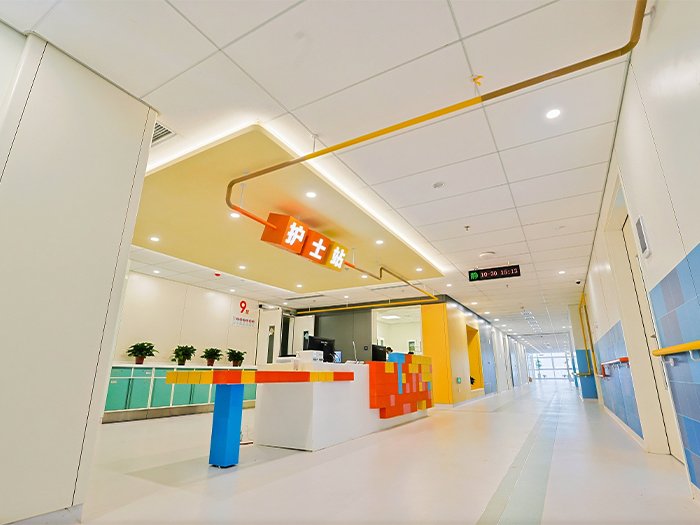
Seamless Flat Panel System Components
The seamless panel arrangement should be specified as a coordinated layered build-up. Review the fiber board, acoustic membrane, rock wool, wall or ceiling substrate, perimeter conditions, joint treatment, and service openings together before finalizing the installation method.
| Layer / Interface | System Role | Coordination Note |
| Fiber Board | Panel layer forming the flat visible surface | Confirm the panel type, dimensions, thickness, finish, fixing method, and required visible surface. |
| Acoustic Membrane | Membrane within the layered assembly; exact placement to be confirmed | Confirm the membrane specification, layer position, joint treatment, and compatibility with the surrounding build-up. |
| Rock Wool | Insulation layer within the build-up | Confirm thickness, density, support, edge treatment, and the applicable project requirements. |
| Wall / Supporting Substrate | Base or interface behind the layered assembly | Confirm the actual installation surface and fixing method; verify flatness, strength, moisture condition, fixing points, and preparation. |
| Perimeter and Transitions | Interface at edges, corners, and service openings | Coordinate walls, corners, service openings, access panels, and transitions with the continuous surface. |
How the Seamless Flat Panel System Works
A seamless flat panel ceiling uses a layered build-up to create a continuous visible surface rather than an exposed grid or a panel layout with pronounced seams. The fiber board forms the flat panel layer, while the acoustic membrane and rock wool are coordinated behind it. The final arrangement depends on the substrate, layer sequence, perimeter details, service openings, access requirements, and installation conditions.
Layered Acoustic Build-Up
Review the fiber board, acoustic membrane, rock wool, and supporting substrate as one system. Confirm the position, support, thickness, fixing method, and edge treatment of each layer before installation.
Continuous Surface and Joint Treatment
A continuous ceiling appearance requires careful coordination of panel joints, surface preparation, transitions, corners, access points, and service openings. Confirm the required finish and joint treatment for the selected project condition.
Substrate and Perimeter Coordination
The wall or ceiling substrate must support the selected build-up and fixing arrangement. Check flatness, strength, moisture conditions, perimeter alignment, available installation depth, and interfaces with adjacent construction before finalizing the system.
Project Applications
Seamless flat panel systems can be considered for interiors that require a continuous ceiling surface and a coordinated acoustic build-up. The appropriate arrangement depends on the substrate, ceiling geometry, service layout, acoustic objectives, finish requirements, and project conditions.
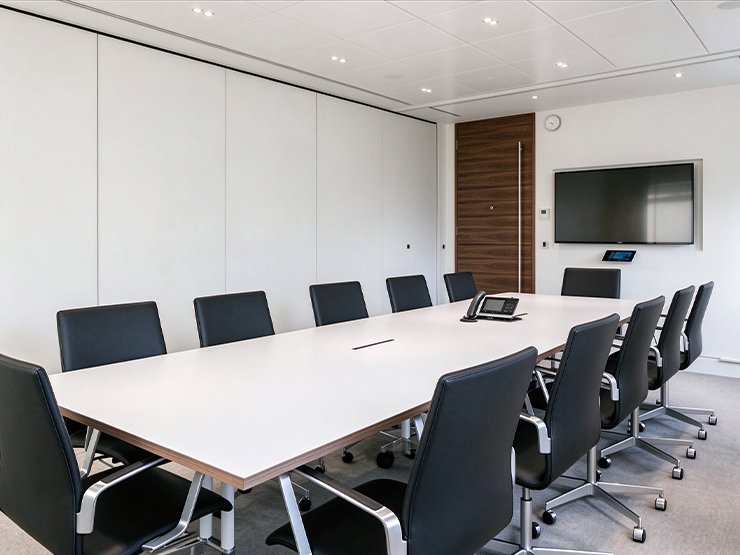
Office and Commercial Interiors
Coordinate the continuous ceiling surface with lighting, air-conditioning outlets, access points, room layout, and the required acoustic design.
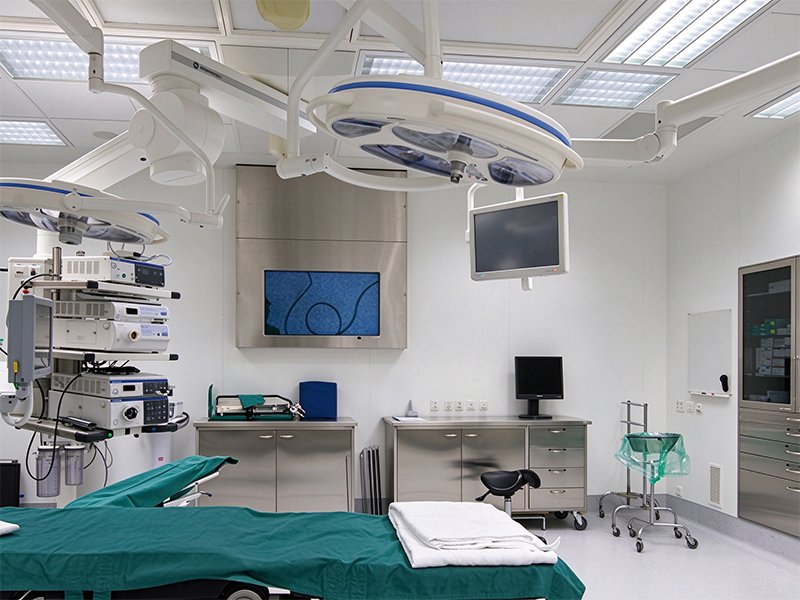
Hospitality and Public Interiors
Review the ceiling geometry, perimeter transitions, surface finish, service openings, and maintenance access for public-facing interior spaces.
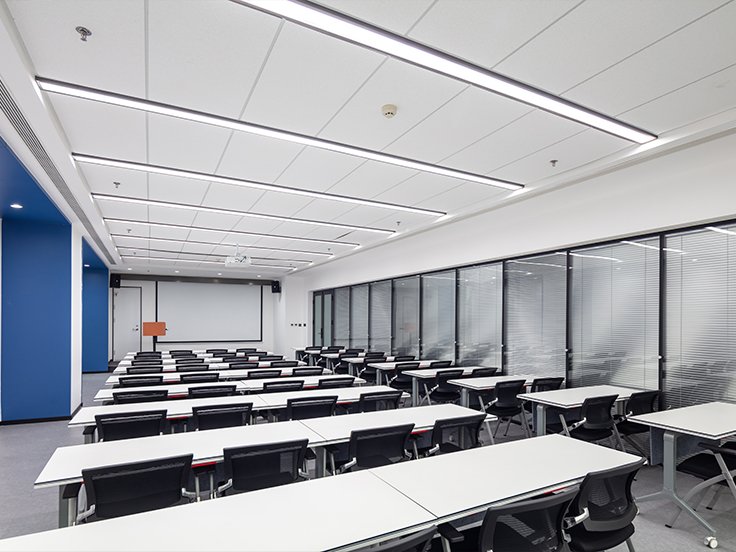
Education and Cultural Spaces
Confirm the substrate condition, room scale, acoustic objectives, panel layout, access requirements, and installation sequence before selecting the build-up.
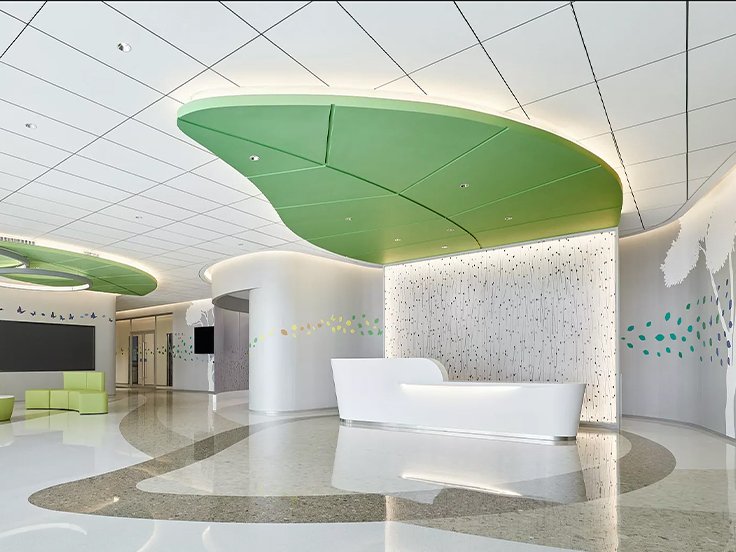
Custom Interior Solutions
Share the ceiling drawings, section details, substrate information, finish requirements, and service coordination needs for a project-specific system review.
Installation & Compatibility
Before specifying the Seamless Flat Panel Ceiling System, confirm the following items against the project drawings and current technical documents:
- Fiber board type, dimensions, thickness, finish, and fixing method
- Acoustic membrane specification and layer position
- Rock wool type, thickness, density, support, and edge treatment
- Wall or ceiling substrate flatness, strength, moisture condition, and preparation
- Layer sequence, available installation depth, and perimeter conditions
- Joint treatment, continuous-surface requirements, corners, and transitions
- Lighting, air-conditioning outlets, inspection panels, and service openings
- Access, maintenance, curing, and installation conditions
Request the current installation guidance and component information for the selected configuration before ordering.
Product Documents & Inquiry
For a Seamless Flat Panel Ceiling System inquiry, share the required ceiling or wall area, substrate information, section drawings or layout, preferred surface finish, service-opening requirements, estimated quantity, project destination, and any specific acoustic or installation requirements. UET Ceilings can then review the suitable layered build-up, compatible components, current technical documents, and ordering details.
Exposed-Grid System FAQ
Need an Exposed-Grid Ceiling System for Your Project?
Share your ceiling drawings, substrate information, preferred finish, required area, service-opening details, estimated quantity, and project destination. We can help review the layered build-up, compatible components, and technical information needed for your inquiry.